Here is the situation every teacher knows. A fidget spinner shows up. Then six more. Then a pop-it. Then someone throws one. Then you ban everything, and the kid who actually needed a fidget to get through math is now bouncing off the walls.
Potato Tiger would like to propose a middle path. The research on classroom fidgets is clearer than the chaos suggests: the right fidgets, with the right rules, help. The wrong ones, unmanaged, measurably hurt. This guide gives you the evidence, a yes/no list, a classroom policy you can copy today, and a printable rules chart.
What the research actually shows
The good news
For students with ADHD, the evidence is strong. UC Davis researchers tracked kids and adults with ADHD during demanding cognitive tasks and found that the ones who moved more performed better. Movement supplies the dopamine and norepinephrine their prefrontal cortex is running short on. Telling an ADHD student to sit perfectly still is, neurologically, telling them to turn off part of their attention system. (Full explanation in The Science of Fidgeting.)
For the broader class, the data is encouraging too. A Suffolk University study of 119 students found that "not at all engaged" responses dropped from 14.4% to 1.1% after fidget tools were introduced, and reports of feeling unproductive fell from 11.7% to 2.2%. A study of 29 sixth graders using stress balls found 10% saw significant test score gains and 47% reported being less distracted. A seven-semester university study of 220 students concluded that small, squeezable fidgets helped students who had drifted off refocus on the lesson.
The bad news
Fidget spinners are a disaster in classrooms, and this isn't opinion. A 2020 study found third graders using spinners did significantly worse on math tests. A second 2020 study with college students found spinners caused a 44% drop in retention for the user, and a 13% drop for students sitting nearby. A 2022 review concluded that in classroom settings, the negative effects of visual and noisy fidget toys on attention outweigh their sensory benefits.
Australia's Institute of Special Educators reviewed the literature in 2024 and found the evidence for fidget toys improving attention or behaviour generally weak, with possible negative effects on learning. The one bright spot in their review: a 2022 study where fidgets were given to students with ADHD with specific usage rules reduced disruptive behaviour.
The yes list and the no list
✅ Classroom-approved
- Silent fidget rings
- Textured sliders and worry stones
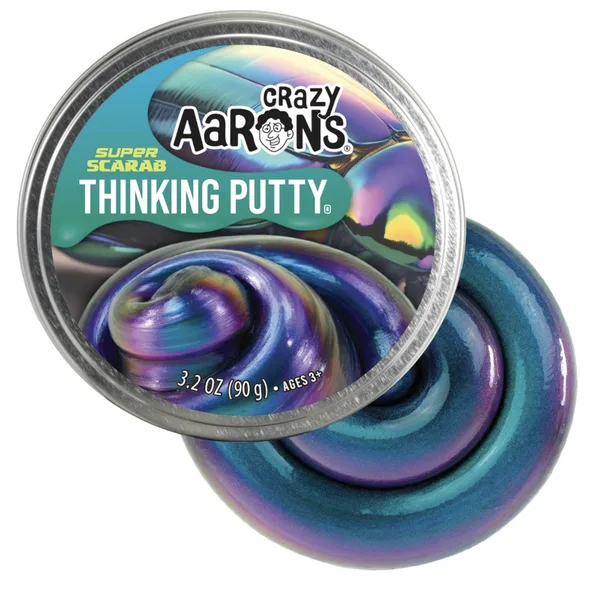
- Thinking Putty
- Stress balls (non-bursting)
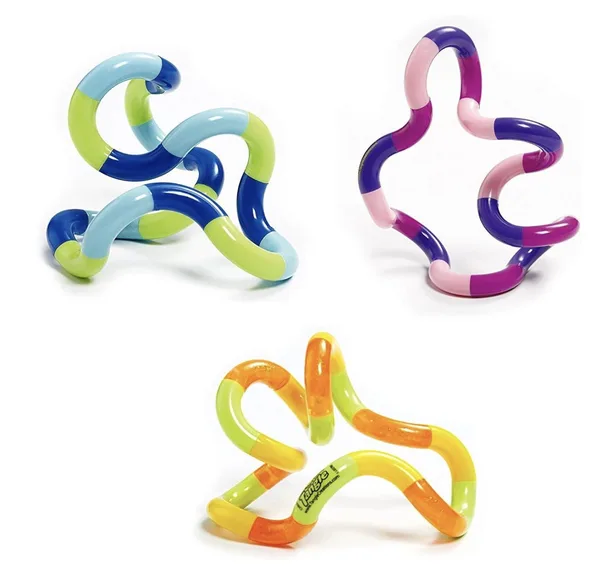
- Tangles and Wikki Stix
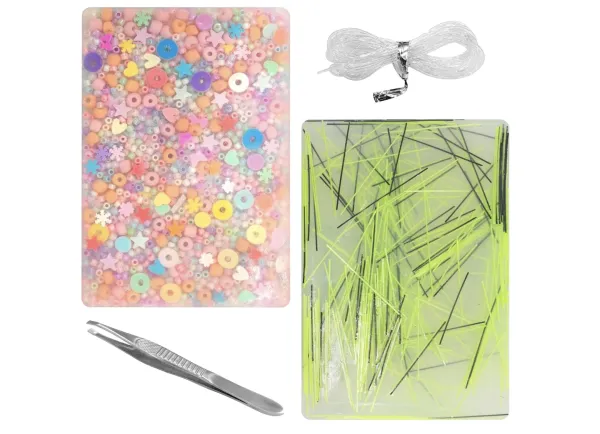
- Picky pads
- Chewable pencil toppers (for chewers)
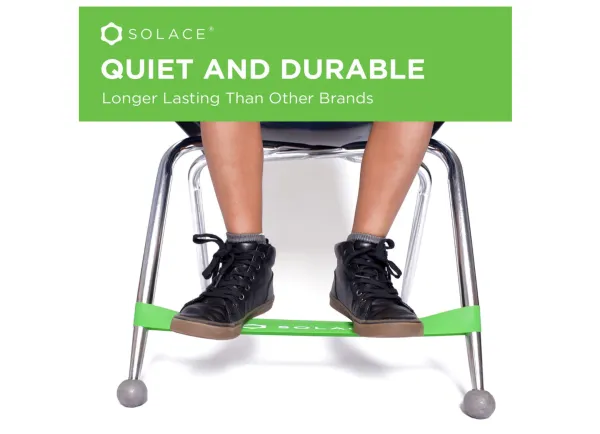
- Chair bands and foot rollers
- Wobble stools
- Velcro strip under the desk (free!)
🚫 Not in my classroom
- Fidget spinners
- Pop-its (loud, and they become a game)
- Light-up anything
- Fidget cubes with clicky sides
- Clickers and snappers
- Liquid timers and kinetic toys
- Slime (ask any custodian)
- Anything with a scoreboard, challenge, or competition
- Anything that needs two hands
- Anything big enough to throw
The test for anything not on the list: can a student use it with one hand, without looking at it, without making a sound, while writing? If yes, it's a tool. If no, it's a toy.
Setting it up: a step-by-step rollout
- Check school policy first. Many schools now have formal fidget policies, often requiring approval from a SENCO, counselor, or OT. Know yours before you start.
- Teach the rules before handing anything out. Every experienced teacher and OT says the same thing: rules first, fidgets second. Introduce them as a tool with a job, the same way a ruler or calculator has a job.
- Build a class fidget box. Keep a small bin of approved quiet fidgets (rings, Tangles, putty) available to everyone. This removes the "why does she get one?" problem and reduces stigma for the kids who need them most.
- Co-write the rules with students. Classes that help write the rules follow them more. Post them where everyone can see.
- Define when. Independent work, listening time, and tests are good. Hands-on labs, PE, and group presentations usually aren't.
- Model and monitor. For the first two weeks, give gentle reminders. "Hands, not eyes." "Under the desk." Most students need about ten days to make it automatic.
- Review monthly. Ask: is it helping this student? Is it distracting others? Adjust the type, not just the permission. A spinner kid might do great with a ring.
- Loop in parents and OTs. For students with documented needs, coordinate on fidget type so home and school match.
Copy-and-paste classroom fidget policy
Use this as-is or adapt it. It's written to be read aloud to students and posted on the wall. (Print this page and the policy prints clean.)
Our Fidget Rules
- Fidgets are tools, not toys. Their job is to help your brain focus.
- Hands only. If you're looking at it, it's not working.
- Silent. If I can hear it, so can everyone else.
- It stays in your hand, your lap, or under your desk. Never on top of the desk, never in the air.
- You keep the fidget you started with. No trading, no sharing, no borrowing.
- If it becomes a toy, it takes a break. You can try again tomorrow.
- Fidgets don't do your work for you. If your work isn't getting done, we'll pick a different tool together.
- Fidget box fidgets go back in the box. Clean, every time.
Adapted from policies at King David Primary School (2025), St James Primary (2025), and classroom practice shared by teachers at Edutopia, Twinkl, and HOL.
Handling the common problems
"It's not fair that he gets one."
The class fidget box solves this. Everyone has access; nobody's singled out. You can also frame it like glasses: some people need a tool to see the board, some people need a tool to listen. Both are fine.
"They're playing with it instead of working."
That's the rule 6 moment: it takes a break. But also check the type. A fidget that's fun to look at or operate will always become a toy. Swap it for something more boring (a ring, a worry stone) before giving up on fidgets for that student entirely.
"Parents are sending in spinners."
Send home the yes/no list. Most parents are buying what's marketed to them, not what the research supports. A short note explaining why spinners are out ("they hurt the kids sitting nearby") lands better than a flat ban.
"A student with an IEP/504 has a fidget I'd normally not allow."
Documented accommodations win. Work with the OT or case manager on the quietest version that meets the need, and let the class know that some tools are prescribed, like an inhaler.
"Should fidgets be a reward?"
No. The second a fidget becomes a prize, it stops being a tool and the kids who need it most lose access when they're struggling, which is exactly when they need it. Keep fidgets neutral and always available.
PT's classroom fidget box starter kit
Everything here passes the one-hand, no-eyes, no-sound test. Buy in multi-packs; they'll walk away.

The bottom line
Don't ban fidgets. Ban the wrong fidgets. Hands-only, silent, boring tools help students with ADHD focus and help everyone else re-engage, and the data supports that. Spinners, pop-its, and anything with lights or clicks hurt learning for the user and the neighbors. Set rules before you hand anything out, make them visible, keep a shared box, and review monthly.
Potato Tiger has never taught a class, but has been in several, usually on the windowsill. The fidgeting kids were paying attention. The spinner kids were not.
- Edutopia — Do Fidgets Help Students Focus? (2020 spinner studies; classroom practice)
- Popular Science — Does fidgeting really help you focus? (UC Davis studies, 2022 review)
- Suffolk University 119-student survey; sixth-grade stress ball study (Journal of At-Risk Issues, 2006)
- Slater, D. — Fidget Toys in the University Classroom (220 students, 7 semesters)
- Institute of Special Educators (Australia), 2024 research report on fidget toys for students with disabilities
- King David Primary School — Fidget Tools Policy (July 2025)
- St James Primary — Use of Fidget Toys in Classrooms policy (March 2025)
- HOL — 5 Tips for Using Fidget Toys in the Classroom (teacher practice)
- Twinkl — Embracing Fidget Toys in the Classroom
- CAHELP — Fidgets for the Classroom and Home (OT guidance, DIY fidgets)
As an Amazon Associate, Top100Fidgets earns from qualifying purchases. This article is for informational purposes and isn't medical or educational advice; always follow your school's policies.