Potato Tiger has a drawer. In the drawer are roughly forty fidgets that seemed like a good idea at the time. Most of them got used twice. This is the universal fidget experience, and it happens for one reason: people buy fidgets based on what looks cool instead of what their nervous system is actually asking for.
This guide fixes that. It's built on how occupational therapists match sensory tools to sensory needs, plus the research on which fidgets help focus and which ones quietly sabotage it. Four steps. Then you buy one thing, not forty.
Figure out what job the fidget is doing
Every fidget is solving one of three problems. Be honest about which one is yours, because the right pick for each is different.
- Focus. You zone out during meetings, lectures, reading, or long tasks. You need your alertness topped up without stealing attention from the main thing. (Why this works: the science of fidgeting.)
- Calm. Anxiety, stress, overwhelm, anger. Nervous energy needs somewhere to go.
- Sensory input. Your body wants a specific feeling: texture, pressure, motion, chewing. Common with autism and sensory processing differences.
Research from UC Santa Cruz found people instinctively switch fidget styles with their mood, reaching for squeezable things when angry or anxious and clicking or tapping things when bored. Your body already knows the answer to step one. You're just writing it down.
Match the fidget to your sensory system
Occupational therapists sort fidgets by which sensory system they feed. This is the single most useful framework for not wasting money.
| Sensory system | What it feels like | Best for | Fidget types |
|---|---|---|---|
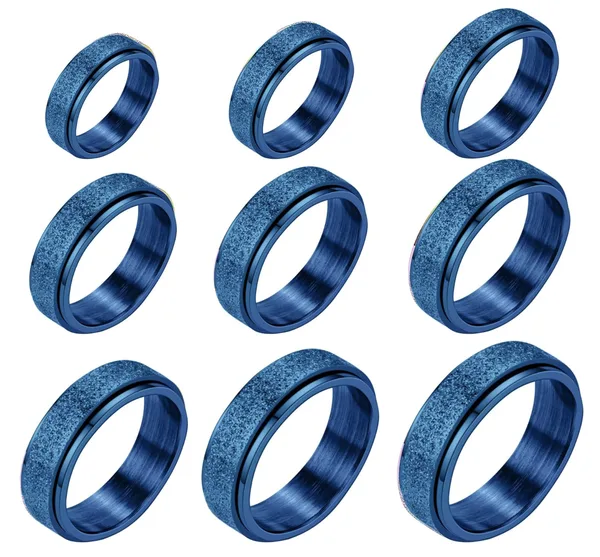
| Tactile (texture) | Bumps, ridges, smooth vs. rough, picking | Focus, sensory input | Picky pads, textured rings, worry stones, Tangles |
| Proprioceptive (pressure/resistance) | Squeezing, stretching, pushing against something | Calm, anxiety, anger | Stress balls, putty, squishies |
| Vestibular (subtle movement) | Rocking, bouncing, shifting weight | Focus in kids, restless legs | Wobble stools, chair bands, foot rollers |
| Visual (watching motion) | Spinning, flowing, color change | Calm during breaks only | Spinners, liquid timers, kinetic desk toys |
| Auditory (sound) | Clicks, pops, snaps | Boredom, alone time | Clickers, pop-its, fidget cubes with clicky sides |
| Oral-motor (chewing) | Biting, chewing, sucking | Sensory input, concentration | Chewable necklaces, pencil toppers |
Check it against your environment
This is where most people blow it. A pop-it is a great fidget. A pop-it in a quiet office is a social crime. The fidget has to work where you'll actually use it.
The research gives a clear warning here. Two separate 2020 studies found fidget spinners hurt performance: third graders scored significantly worse on math, and college students using spinners during lectures saw a 44% drop in retention, with nearby students dropping 13% just from watching. The mechanism is simple. Anything you have to look at or listen to competes for the same attention you're trying to protect.
So run these checks:
- Noise. Classroom, office, library, meetings: silent only. Alone at home: go nuts.
- Visual draw. If the task needs your eyes (reading, watching a board, screen work), the fidget must not. Spinners and liquid timers are out.
- Discretion. Can it live in a pocket, on a finger, or under a desk? Fidget rings and small sliders win here.
- Durability. Daily-use fidgets get destroyed. Metal and silicone outlast foam and cheap plastic.
- Mess. Putty on a laptop keyboard is a lesson you only learn once.
Occupational therapists also recommend not pairing a fidget with a task that uses the same channel. Don't use a visual fidget when you need to watch something. Don't use an auditory fidget when you need to listen. Pair across channels: hand fidget while listening, foot fidget while reading.
Trial two or three, not twenty
Fidget preference is personal and shifts over time. Even OTs treat it as trial and error. Pick two or three candidates from the right sensory category, use each for a week in the real environment, and keep whatever you reach for without thinking. The best fidget is the one you forget you're holding.
Signs it's working: you use it automatically, you stay on task longer, and nobody around you notices. Signs it's wrong: you keep looking at it, you play with it instead of working, or you keep setting it down.
🐯 PT's 60-second fidget finder
I zone out in meetings/class and need to stay sharp without anyone noticing.
→ Silent fidget ring, textured slider, or worry stone. Hands only, pocket-sized.
I get anxious and my hands need something to do.
→ Stress ball, Nee Doh, or Thinking Putty. You want squeeze and resistance.
I'm restless at a desk all day, mostly my legs.
→ Foot roller or chair band. Fix the restlessness where it lives.
I crave texture and picking at things.
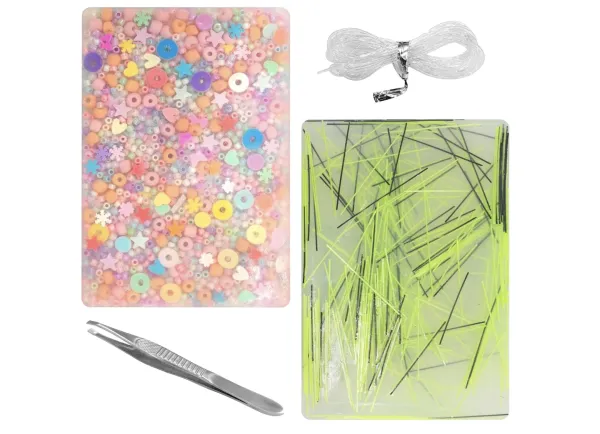
→ Picky pad or Tangle. Give your fingers a job that isn't your skin.
I'm bored and alone and want something satisfying.
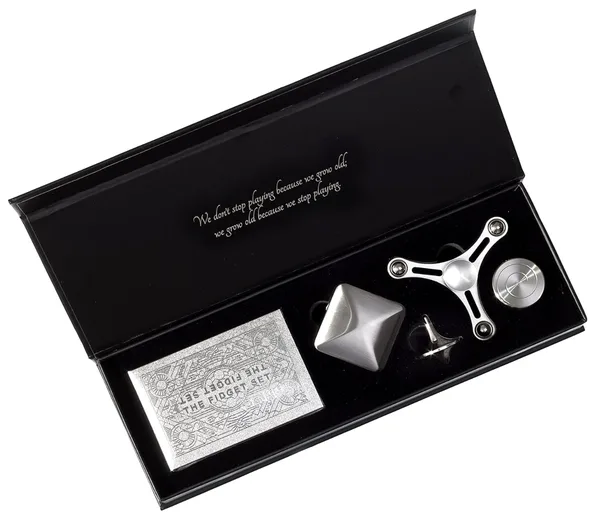
→ Fidget cube, metal set, clicker, or magnetic balls. Now the clicky stuff is allowed.
I chew pens, sleeves, and nails.
→ Chewable necklace or pencil topper. Food-grade silicone.
PT's starter picks by category

The short version
- Name the job: focus, calm, or sensory.
- Pick the sensory system that matches: hands-only for focus, squeeze for calm.
- Make sure it's quiet and invisible enough for where you'll use it.
- Trial two or three for a week each. Keep the one you forget you're holding.
Do that, and your drawer stays empty. Potato Tiger's drawer is a cautionary tale, not a goal.
- Life Skills Advocate — Fidget Tools for Regulation: Matching Sensory Needs to the Right Tool (OT sensory-system framework)
- Autisable — ADHD and Fidgeting (pairing fidget type with task type, based on Fidget to Focus by Rotz & Wright)
- Edutopia — Do Fidgets Help Students Focus? (2020 fidget spinner studies)
- Katherine Isbister (UC Santa Cruz) — fidget preference shifts with mood
- Popular Science — Does fidgeting really help you focus?
As an Amazon Associate, Top100Fidgets earns from qualifying purchases. This article is for informational purposes and isn't medical advice.